Field notes
How site managers read pour-day progress without losing the programme
A practical way to photograph slab pours, note crew counts, and leave a record that still makes sense at the Monday coordination meeting.
Pour days move fast. By the time the last truck leaves, the only people who remember which bay lagged are the ones who stood in the heat. Site managers who rely on memory alone often rebuild the story from WhatsApp photos that lack time stamps or bay labels.
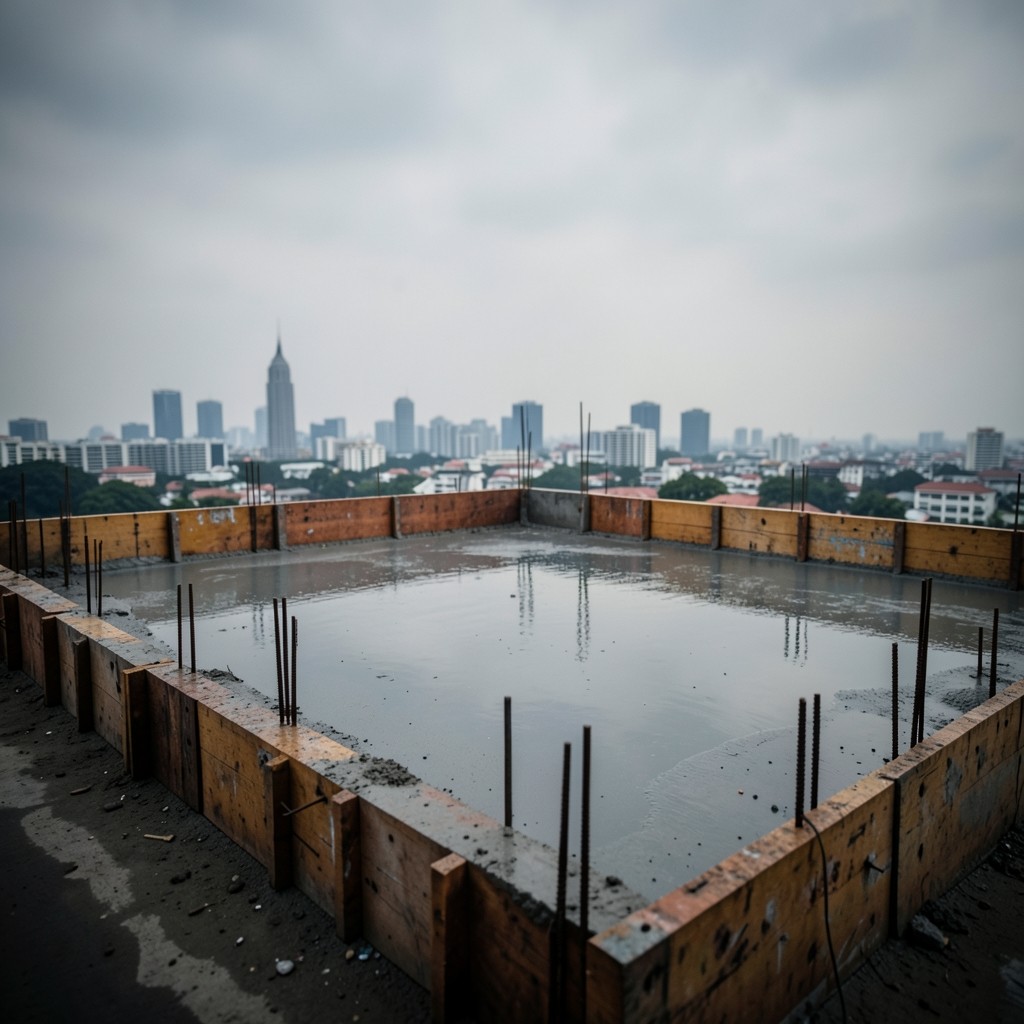
Start with a simple zone map printed at A3. Mark bay numbers before the pour begins. As each bay reaches strike-off, take one wide frame and one detail of joints or embeds that matter for the next trade. Note the clock time on the map itself — ink on paper survives better than a phone battery at 14:00.
When you compile the evening brief, pair each photograph with the planned cubic metres versus what the batch plant logged. The gap is usually small, but owners ask about it. A short caption that names the bay, the crew lead, and any weather stoppage keeps the conversation factual.
Futuregridpoint field analysts use this same pattern on Bangkok high-rises: map first, timed frames second, programme line last. The goal is a record your superintendent can hand to the consultant without rewriting the day.